
Why Modern Dog Training Matters When Choosing Dog training & Boarding in Regina Saskatchewan
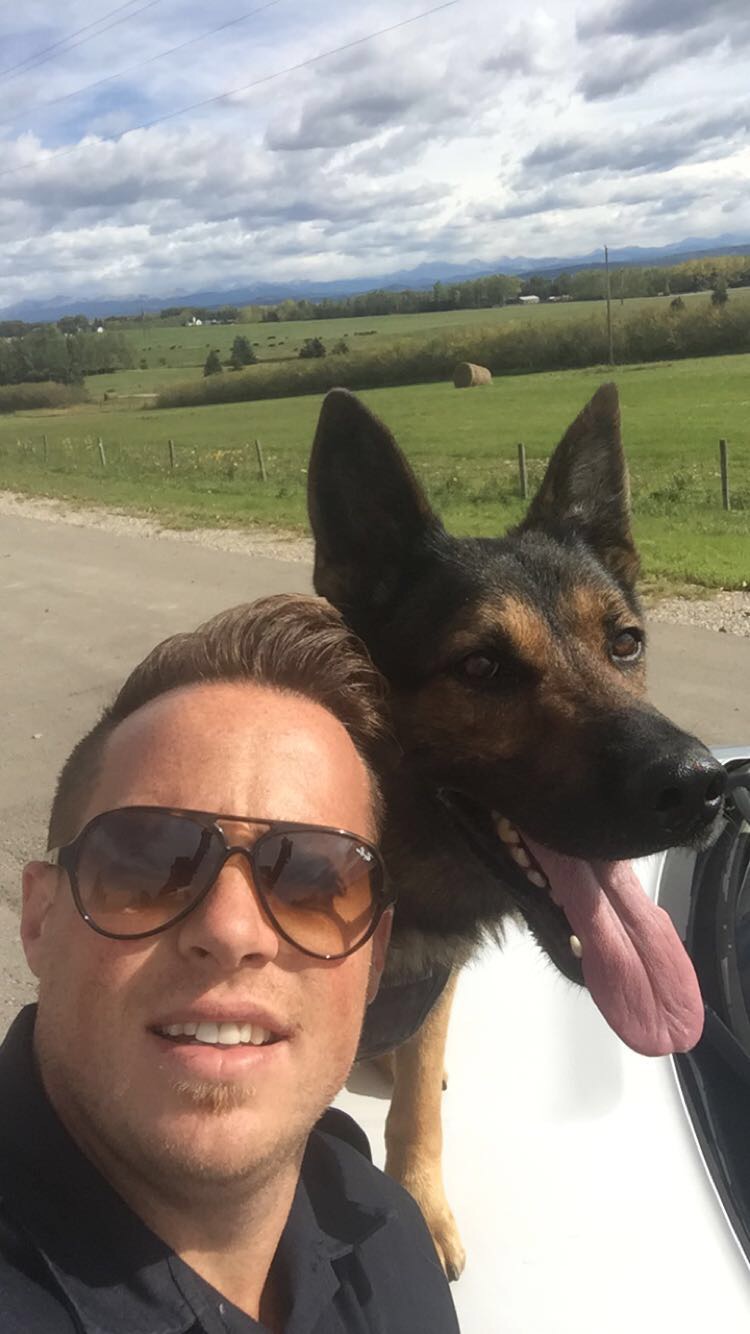
When we leave our dogs behind, we’re not just looking for a place with kennels and food
bowls.
We’re looking for trust.
Trust that someone understands dogs.Trust that someone can read behaviour.Trust that if something changes with our dog, someone experienced will notice.Because when you hand someone the leash, you’re handing them responsibility for your dog; And their stay depends on leadership, structure, and clarity.

Why Professional Experience Matters
Dogs communicate primarily through behaviour. Subtle posture shifts, pacing, vocalization, or avoidance can tell you a great deal about how a dog is coping with a new environment.
But dogs don’t communicate the way humans do. They rely on three primary forms of communication: tactile pressure, body language, and auditory cues.
Tactile communication involves physical sensations such as leash pressure, touch, or spatial pressure from a handler. Dogs are highly responsive to these signals and often use them to understand direction and guidance.
Body language is one of the most important signals dogs read. Positioning, movement, posture, and eye contact all communicate information. A calm, confident handler communicates stability, while erratic movement can create uncertainty or stress.
Auditory communication includes verbal cues, tone, and environmental sounds. Dogs quickly learn to associate specific sounds or commands with expected behaviours.
Professionals who work with dogs every day learn to recognize these signals early and respond appropriately.
This awareness allows handlers to:
identify early signs of kennel stress
manage reactive or high-drive dogs safely
adjust routines for nervous dogs
create calm environments that prevent conflict
Without this awareness, boarding becomes simple containment. With it, boarding becomes structured care built around how dogs naturally communicate and learn.
How Modern Dog Training Improves Boarding
![Derrick Fox [FoxK9] Instructing on the topic of E-Collars & canine related tools at a Seminar hosted by Aloha Canine](https://static.wixstatic.com/media/bfea4e_466b5891e2894788a36e8cd2a39ca7b1~mv2.jpg/v1/fill/w_980,h_653,al_c,q_85,usm_0.66_1.00_0.01,enc_avif,quality_auto/bfea4e_466b5891e2894788a36e8cd2a39ca7b1~mv2.jpg)
At FoxK9, our boarding environment is influenced by modern dog training principles and continuous professional development.
Modern dog training focuses on understanding how dogs learn, how they communicate, and how clear structure reduces confusion. Dogs thrive when expectations are consistent and leadership is calm and predictable.
But good training does not come from standing still. The canine industry is constantly evolving, and professionals who take their craft seriously remain committed to learning.
At FoxK9, that means continual education and collaboration with industry professionals. Our approach is shaped by ongoing mentorship, relationships with experienced trainers, and regular participation in advanced training courses and seminars.
We actively seek knowledge from industry-leading trainers and working dog professionals, continually refining our understanding of behaviour, communication, and training systems.
Learning also happens through teaching. One of the most effective ways to deepen understanding is to share knowledge with others. Through seminars, coaching, and working with handlers and dog owners, we reinforce the same principles we apply in our facility every day.
Some of the core principles that guide our work include:
continuous learning from experienced trainers and mentors
maintaining relationships with respected professionals in the dog training community
participating in advanced courses and seminars to stay current with modern training methods
applying structured communication systems that dogs understand
sharing knowledge with others, because teaching reinforces mastery
This commitment to learning ensures that the dogs in our care benefit from modern training practices, thoughtful management, and a constantly improving approach to canine behaviour and communication.
Clear Communication
Dogs learn through consistent signals and predictable outcomes.
When a dog clearly understands what behaviour leads to a positive outcome, the world becomes easier for them to navigate. Confusion disappears, and confidence grows.
Handlers communicate with dogs primarily through leash handling, spatial awareness, and structured movement through the facility. These signals provide information the dog can easily understand without relying on constant verbal commands.
Why does this matter to the owner? Because when dogs understand their environment, stress drops significantly.
A dog that is unsure of what is happening around them can become anxious, vocal, reactive, or withdrawn. But when expectations are clear and communication is consistent, dogs settle more quickly and behave more calmly.
In a boarding environment, this makes a real difference.
Clear communication helps:
reduce kennel stress
prevent unnecessary conflict between dogs
create calmer kennel environments
help dogs relax and adapt to the routine of the facility
For owners, this means their dog is not simply being housed while they are away. Instead, their dog is being guided through a structured environment where communication is clear and leadership is consistent.
That structure helps dogs feel safe, settled, and understood, even when they are in a place that is new to them.
Structured Environments
Dogs thrive when routines are consistent.
Unlike humans, dogs don’t process the world through explanations or conversations. They learn through patterns. When the environment is predictable, dogs quickly understand what is happening around them and how they are expected to behave.
Structured boarding environments include:
controlled dog movement
consistent feeding times
predictable kennel routines
calm handling by experienced staff
Why does this matter to the average dog owner?
Because predictability creates stability for the dog. When routines are consistent, dogs begin to understand the rhythm of the environment. They know when they will eat, when they will move, when they will rest, and how handlers will interact with them.
This clarity reduces uncertainty, which is one of the biggest causes of stress in dogs.
In unstructured environments, dogs often experience:
overstimulation
unpredictable interactions with other dogs
inconsistent handling
elevated barking and agitation
Over time, this can create anxiety and poor behaviour during boarding stays.
In structured environments, the opposite happens. Dogs quickly recognize the pattern of the day, settle into the routine, and become calmer as the stay progresses.
For owners, this means their dog is not simply being kept somewhere until they return. Their dog is in an environment designed to reduce stress, provide clarity, and maintain stability while they are away.
And if you think about it, that’s exactly what most owners want for their dog.
The Difference Between Boarding and Professional Dog Boarding
![Derrick Fox [FoxK9] helping coach at a seminar in Red Deer, AB. Lead Instructor Michael Nezbeth of Grassroots K9.](https://static.wixstatic.com/media/bfea4e_fa8cf0303b7b4e98b357e93a503088ef~mv2.jpg/v1/fill/w_682,h_1024,al_c,q_85,enc_avif,quality_auto/bfea4e_fa8cf0303b7b4e98b357e93a503088ef~mv2.jpg)

Most people looking for a place to board their dog assume all kennels operate more or less the same way. A dog gets dropped off, placed in a run, fed twice a day, let out periodically, and picked up when the owner returns.
In some places, that’s essentially the model.
For certain dogs, especially easygoing ones that adapt quickly to new environments, that arrangement may work well enough. But many dogs respond differently. A boarding kennel is a new environment full of unfamiliar smells, unfamiliar dogs, and constant background noise. Without some thought behind how the space is managed, it can become overwhelming for a dog that doesn’t know what to expect.
Dogs read their environment constantly. They pay attention to movement, posture, energy, and patterns. When everything around them feels unpredictable, their stress level rises. That stress might show up as pacing, excessive barking, refusing food, or becoming reactive toward other dogs passing by their kennel.
Those behaviours aren’t usually the result of a “bad dog.” More often they’re the result of a dog trying to make sense of an environment that lacks clear structure. Facilities that approach boarding from a behavioural perspective tend to manage things differently.
The people handling the dogs understand what they’re looking at. They recognize the small signals that indicate a dog is uncomfortable or overstimulated. They understand how kennel placement, movement through the building, and daily routines influence a dog’s ability to settle.
That experience changes the way the facility operates. Staff pay attention to things like:
how dogs are placed within the kennel rows
which dogs should not be housed near each other
how movement through hallways is controlled
how to handle nervous or reactive dogs safely
how consistent routines reduce confusion
The goal isn’t simply to house the dog until the owner returns. The goal is to create an environment where the dog can understand what’s happening around them.
When dogs begin to recognize the routine, when they eat, when they go out, how handlers approach them, they start to relax. The environment becomes predictable, and predictability lowers stress.
That’s when boarding becomes something more than just containment. It becomes a structured environment where dogs are handled thoughtfully and where their behaviour is understood rather than ignored.
For dog owners, that difference matters. Leaving your dog somewhere for a few days is always a leap of trust. Knowing the people caring for them understand how dogs actually behave can make that decision a lot easier.

Comments