
Why Leash Tension Matters 🐕
Updated: Apr 11

Most people see a leash as a piece of equipment whereas it’s really a line of communication.
That matters, because in tracking, Before the dog fully understands the work, before obedience and odour merge into one picture, there is pressure and release. There is feel. There is timing. There is information moving back and forth between dog and handler.
That’s the WHY. We are not observing leash tension just to manage the dog. We are observing it to understand the dog. To see commitment. To see hesitation. To recognize when the dog is in odour, when the dog is leaving it, and when the dog needs help finding the right answer.
The line gets heavier or the dog leans forward with purpose. The rhythm changes. Or maybe there is a brief stall. To the untrained eye, it is nothing. To the trained eye, it is everything.
Leash tension, used correctly, is a dance. It’s a push and pull. A conversation built on thousands of reps. That has to be done gradually and correctly. Sloppy pressure creates conflict. Fair pressure creates understanding.
The handler is almost always the one who gets in the way. The dog has always carried the hardware. Its innate ability to hunt, pursue, and solve scent problems is far beyond our ability to micromanage it. Where dogs are naturally gifted, humans are often clumsy. We overhandle. We misread behaviour. We add pressure at the wrong time and in doing that, confusion.
And when obedience is conditioned into the work alongside odour… incredible. The dog begins to understand not only what to do, but why staying committed to the track matters. What’s in it for them. The leash helps shape that picture. The dog learns that discipline and scent are not separate ideas and that they belong together.
Over time, the byproduct is confirmation. The dog feels certainty in the track. The behaviour becomes cleaner. The work becomes more deliberate and efficient.
In grip work with tie backs, one eye in on the dog and the other the leash. Success often depends on whether the handler noticed what lesser eyes would miss. The leash is never just a leash, it’s the language.
Good handling is not about doing more. It is about doing less, better. Reading what is in front of you. Supporting the dog without interrupting the hunt.
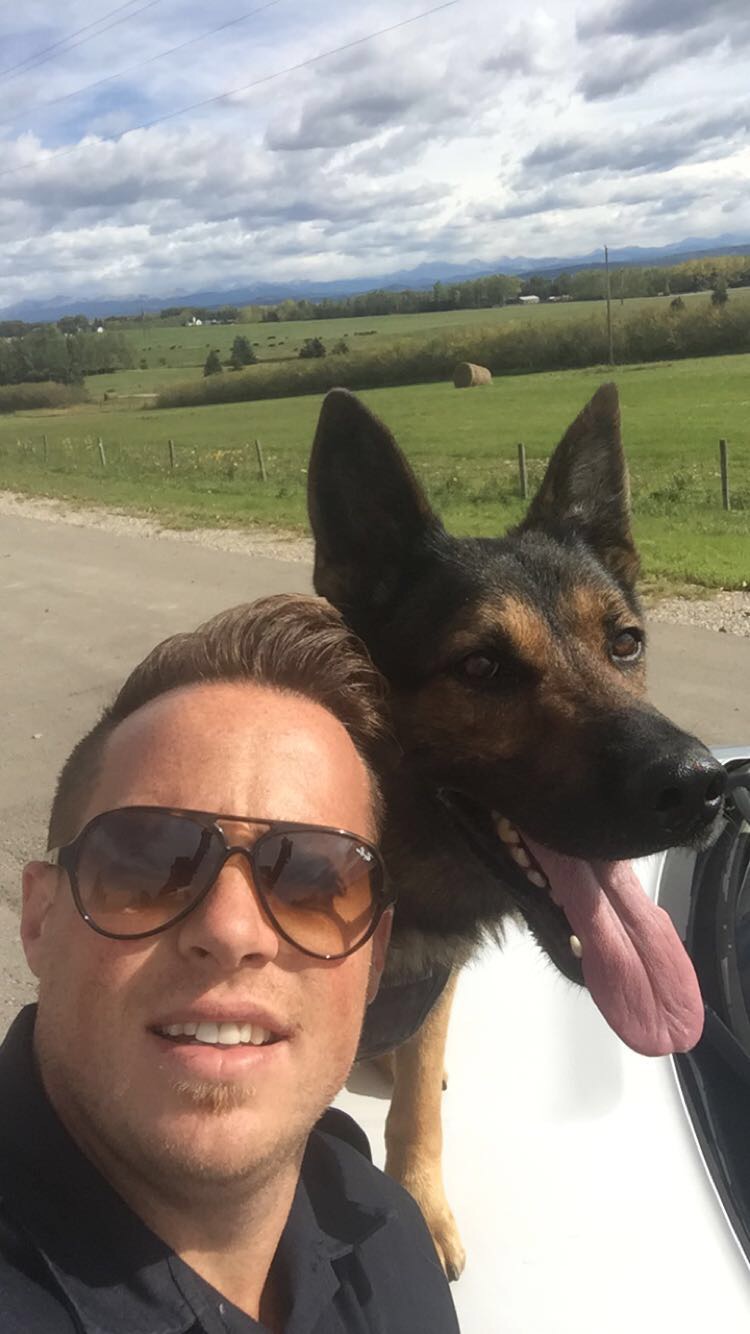
Throwback to the dog who took me along for the ride.

Comments