
Dog Training in Regina, SK: The Complete 2025 Guide
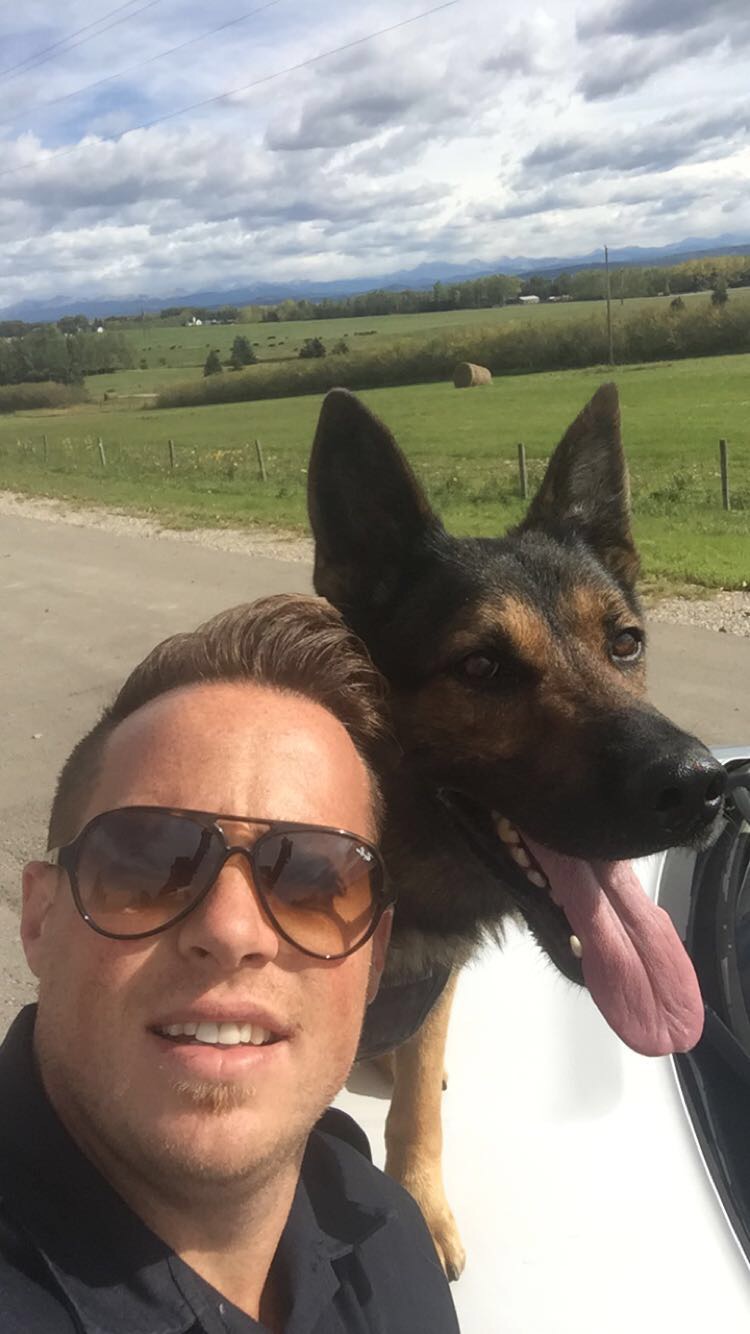
Regina dog owners face a unique set of challenges that make proper training more important than in most Canadian cities. Our long, harsh winters mean dogs spend significant time indoors, and a bored, under-stimulated dog is far more likely to develop destructive behaviours. Come spring and summer, off-leash parks like Wascana Centre see heavy foot traffic — and an untrained dog in that environment can quickly become a liability.
Beyond the practical, a well-trained dog is a safer dog. Regina's traffic, unpredictable weather, and encounters with wildlife (coyotes have been spotted in many neighbourhoods) mean a solid recall command can genuinely save your dog's life.
The good news: Regina has a surprisingly rich training community, from large group classes to certified one-on-one behavioural consultants. Whether you have a new puppy or an adult dog with entrenched habits, there's a solution locally.
Training Methods: What Actually Works
The dog training industry in Canada is entirely unregulated — anyone can call themselves a trainer. This makes understanding training methods critically important before you hand over your dog or your money.
Positive Reinforcement (Force-Free)
The gold standard supported by modern behavioural science. Dogs learn by being rewarded for correct behaviour — treats, praise, play. This approach builds trust between dog and owner, and is especially effective for fearful or anxious dogs. Several Regina trainers specialize exclusively in this method and hold third-party certifications like the CPDT-KA (Certified Professional Dog Trainer – Knowledge Assessed) from the Certification Council for Professional Dog Trainers.
Balanced Training
Uses a combination of positive reinforcement and corrections (such as leash pops or verbal corrections). Some trainers and owners prefer this approach for dogs that don't respond well to rewards alone. When done properly by an experienced trainer, it can be effective — but the quality varies widely.
Clicker Training
A specific form of positive reinforcement that uses a small clicker device to precisely mark the exact moment of correct behaviour. Highly effective for teaching precise obedience and tricks, and popular in Regina's sport-dog community.
Types of Dog Training Available in Regina
Group Obedience Classes
The most affordable and socially valuable option. Typically run over 6 weeks, one session per week, in groups of 6–10 dogs. Your dog learns in the presence of distractions — other dogs, people, new smells — which mirrors the real world far better than training at home alone. Excellent for puppies who also need socialization alongside their skills.
Private In-Home Training
A trainer comes to your home, where your dog's problem behaviours are most likely to show up. Ideal for dogs with separation anxiety, specific household issues (jumping on guests, counter-surfing), or owners who can't easily transport their dog. Often more expensive per session but faster to see results for targeted issues.
Puppy Classes
Specifically designed for puppies aged 8–16 weeks. The socialization window closes fast — this is the single most impactful investment you can make in a young dog's life. A well-run puppy class exposes your dog to a wide variety of sounds, surfaces, people, and other dogs in a safe, controlled way that shapes their temperament for life.
Reactive Dog Programs
Specialized programs designed for dogs that lunge, bark, or show aggression toward other dogs or people on leash. These are small, carefully managed groups (often just 4–6 dogs) run by trainers with behaviour modification expertise. Programs in Regina typically run 6 weeks with a strong focus on counter-conditioning and desensitization.
Behavioural Rehabilitation
For dogs with serious aggression, anxiety, or trauma history (especially common in rescue and adopted dogs). This is the most specialized and intensive level of training, typically delivered one-on-one by a trainer with credentials in animal behaviour. Some Regina specialists offer virtual sessions for clients who can't travel.
How to Choose the Right Trainer in Regina
With the dog training industry unregulated in Canada, doing your homework before choosing a trainer is essential. The most respected credentials in North America come from the Certification Council for Professional Dog Trainers (CCPDT). The CPDT-KA designation requires passing a rigorous exam and ongoing continuing education. The CDBC (Certified Dog Behaviour Consultant) is an even higher bar for serious behaviour issues. These are independently verified — not self-awarded.
Ask These Questions Before You Book
Before committing to any trainer, ask: What is your training philosophy and what methods do you use? What credentials do you hold and who issued them? Can I observe a class before enrolling? What happens if my dog doesn't respond well to a method? Do you have experience with my specific breed or behaviour issue? What is your class size and student-to-trainer ratio?
How Much Does Dog Training Cost in Regina?
Costs in Regina are generally in line with other mid-sized Canadian cities. Puppy group classes typically run $150–$250 for 6 weeks. Adult obedience classes range from $150–$280. Private in-home sessions cost $80–$150 per session. Reactive dog programs run $250–$450 for 6 weeks. Behavioural consultations are typically $100–$250 per session.
When Should You Start Training Your Dog?
The earlier, the better — but it's never too late. For puppies aged 8–16 weeks, this is the critical socialization window. Puppy classes should begin as soon as your vet confirms your dog has had its first round of vaccinations. Don't wait until the full vaccine schedule is complete; the cost of missing this window far outweighs the minimal health risk of a well-managed puppy class.
Adolescent dogs (6–18 months) are when many owners give up — and many dogs end up surrendered to shelters. This is actually an excellent time for formal training because adolescent dogs are highly motivated and still forming lasting habits. Adult and senior dogs can also learn new behaviours at any age. The idea that 'you can't teach an old dog new tricks' is a myth.
Dealing with Reactive or Anxious Dogs in Regina
Leash reactivity — lunging, barking, or snapping at other dogs or people — is one of the most common issues that brings Regina dog owners to seek professional help. Reactivity is almost always rooted in fear or anxiety, not aggression or dominance. A dog that lunges at other dogs on leash is typically feeling overwhelmed and is trying to increase distance from what it perceives as a threat. Punishing this behaviour often makes it worse by adding stress to an already anxious dog.
Effective treatment involves counter-conditioning (changing the dog's emotional response to triggers by pairing them with positive things), desensitization (gradual, controlled exposure to triggers at a level the dog can handle), and threshold management (keeping the dog below its reaction threshold to allow learning to occur). In some cases, veterinary assessment and medication can reduce anxiety enough to make training effective.
Frequently Asked Questions
How long does it take to train a dog in Regina?
There's no universal answer — it depends on the dog's age, breed, temperament, the behaviour being trained, and how consistently you practice at home. Most basic obedience courses run 6 weeks and produce noticeable results within that time. Behaviour modification for reactive or anxious dogs typically takes 3–6 months of consistent work. Training is a lifelong practice, not a one-time fix.
What's the best dog training method?
The scientific consensus strongly supports positive reinforcement-based training as the most effective and humane approach for the vast majority of dogs and situations. It produces reliable results, builds trust, and carries no risk of the fallout (fear, aggression, shutdown) that can result from aversive methods.
Can I train my dog myself without a professional?
Absolutely, for basic manners and many obedience skills. However, professional trainers add value in several ways: they spot what you can't see, they know how to break behaviours into teachable steps, and they provide structured accountability. For behaviour issues like aggression, anxiety, or reactivity, professional guidance is strongly recommended.
Is there dog training available in Regina for rescue or adopted dogs?
Yes, and this is an area of particular expertise for several local trainers. Rescue dogs often come with unknown histories and may show fear, anxiety, aggression, or hyperarousal. Trainers who specialize in behaviour rehabilitation using science-based methods are best equipped to help. Some also offer virtual sessions, which can be valuable for dogs too stressed to travel.
What should I bring to my first dog training class in Regina?
High-value treats (small, soft, smelly — think real meat or cheese), a 4–6 foot leash (not a retractable), a well-fitting flat collar or properly fitted harness, a positive attitude, and patience. Arrive a few minutes early to let your dog sniff around and settle before class begins.


Comments